How to Care for a Bird's Nest Fern
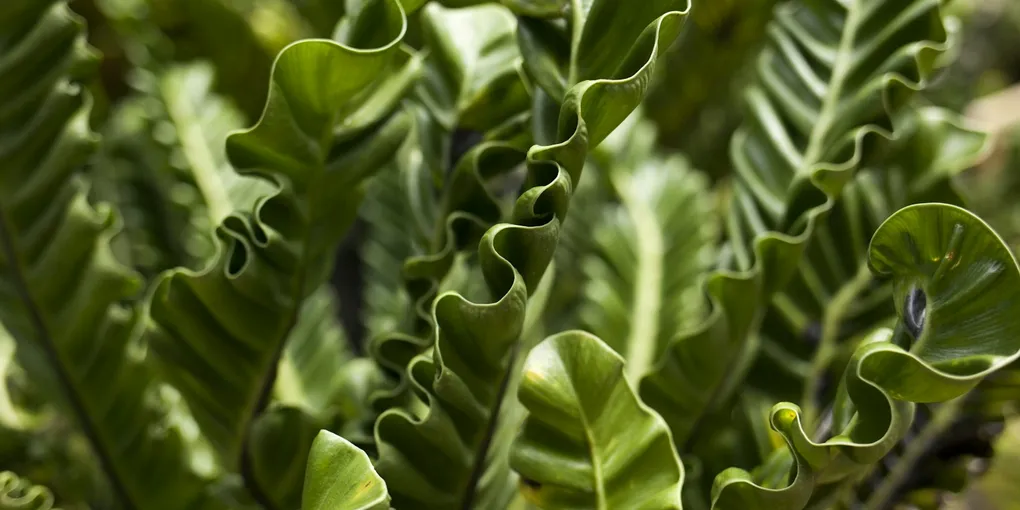
Bird’s nest fern (Asplenium nidus) looks nothing like the feathery ferns most people picture — its broad, crinkled, ribbon-like fronds unfurl from a central rosette that resembles the nest its name comes from. It’s also a more forgiving houseplant than a lot of ferns, tolerating average indoor humidity better than something like a maidenhair fern, though it still rewards consistent moisture and humidity when you can give it.
Light
Bird’s nest fern wants bright, indirect light and will not tolerate direct sun, which scorches its broad, thin fronds quickly. It also does reasonably well in medium light, making it a solid option for a spot that’s bright but doesn’t get direct sun at any point in the day — a few feet back from an east or north-facing window works well.
Watering
Keep the soil consistently moist but not waterlogged — this fern doesn’t have the drought tolerance of a lot of common houseplants and will show stress quickly if it dries out completely. Water when the top inch of soil starts to feel dry, rather than waiting for it to dry out further the way you might with a pothos or snake plant. Never water directly into the central rosette where new fronds emerge, since standing water there can cause the crown to rot — water the soil around the base instead.
Soil and pot
Use a loose, moisture-retentive mix with good drainage — a standard potting mix with extra peat or coco coir works well, since this fern wants soil that holds moisture without staying waterlogged. A pot with a drainage hole is still important despite the plant’s preference for consistent moisture, since standing water at the roots causes rot just as it would for any other plant.
Humidity
Bird’s nest fern does best with above-average humidity, and consistently dry air is the most common reason one struggles indoors. A bathroom with a bright window is often an ideal spot, which is why it shows up so often on lists of best houseplants for bathrooms. If you don’t have a naturally humid spot, see how to increase humidity for houseplants for ways to raise it artificially — a pebble tray or nearby humidifier both work well for this plant.
Common problems
Brown, crispy frond tips and edges are the most common issue, and almost always point to low humidity or underwatering. Increasing humidity and keeping the soil consistently moist usually resolves it within a few weeks of new growth, though existing damage won’t reverse — trim severely browned fronds off at the base.
Yellowing fronds, especially older ones near the outside of the rosette, can be a normal part of the plant’s natural cycle if it’s just a few at a time. Widespread yellowing points to overwatering — check that the pot drains well and that the soil isn’t staying soggy.
A mushy, rotting crown is the most serious problem this plant can have, usually caused by water sitting in the central rosette rather than draining away. Avoid watering directly into the crown, and if rot has already set in, remove affected fronds promptly to keep it from spreading further.
Slow or stalled growth in winter is normal as light levels drop — ease off watering slightly during this stretch, since the soil will take longer to dry out, and expect growth to pick back up in spring. For a comparison with a more classic feathery fern, see how to care for a Boston fern.