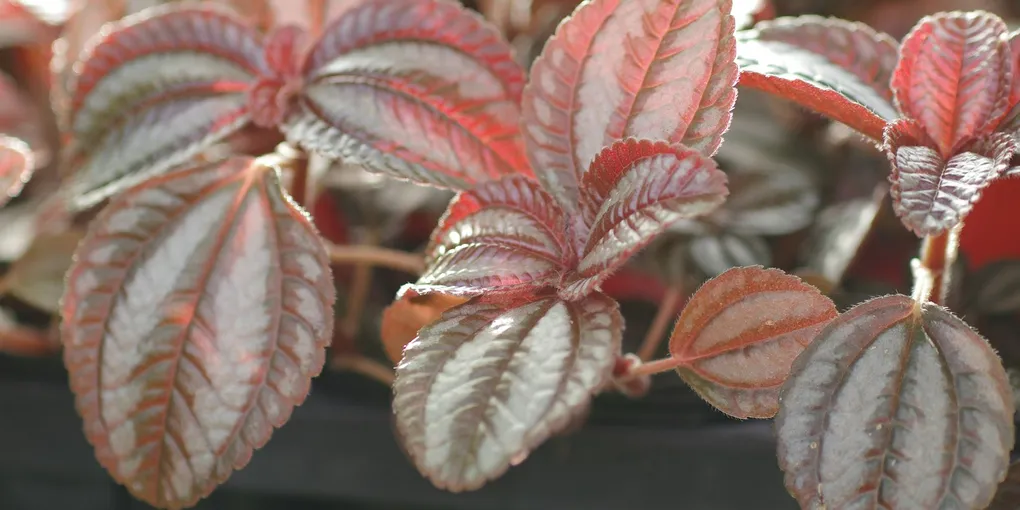
How to Care for a Friendship Plant
The friendship plant, botanically Pilea involucrata, is grown for its deeply textured, quilted leaves in bronze-green with a slight metallic sheen — quite different from its better-known cousin the Chinese money plant, Pilea peperomioides, which has flat, round, coin-shaped leaves. Both share the genus name and the same easygoing nature, but they don’t look alike at all once you’ve seen them side by side. The “friendship” name comes from how effortlessly this plant propagates — a few stem cuttings root reliably in water within weeks, which is exactly the kind of low-effort gift that gets passed from one plant-loving friend to the next.
Light
Friendship plant wants bright, indirect light — a spot near an east-facing window, or a few feet back from a brighter south- or west-facing one. Avoid direct sun, which scorches the textured leaves and fades their color fast. Too little light and the plant stretches out, with longer gaps between leaves and a leggy, sparse look instead of the full, bushy habit it’s capable of.
Watering
Keep the soil consistently moist but not soggy. Friendship plant is less forgiving of a full dry-out than a lot of easy houseplants — the leaves will wilt and look defeated fairly quickly once the soil goes bone dry, though they usually bounce back within a day of watering if it hasn’t happened too many times. Check the top inch of soil with a finger and water once it starts to feel dry rather than waiting for visible wilting; see watering houseplants the right way for the general method of judging by feel instead of a fixed schedule.
Soil and pot
A standard, well-draining potting mix works fine. What matters most is a pot with a drainage hole — this plant wants steady moisture, but it has no tolerance for water sitting at the bottom of the pot, which leads to root rot fast.
Humidity
Friendship plant appreciates humidity above what a typical home naturally has. In dry air, leaf edges will crisp up and brown even when watering is otherwise fine. Grouping it with other humidity-loving plants, running a pebble tray, or using a humidifier all help — see how to increase humidity for houseplants for methods that actually move the needle.
Propagation
This is where the plant earns its name. Snip a healthy stem cutting just below a node, remove the lowest leaves, and place it in a glass of water or directly into moist soil. Roots typically show up within a couple of weeks in water. For the general technique, see how to propagate houseplants from cuttings. Because it roots so reliably, a single plant can turn into several gifts for friends within a season — which is the whole reason for the name.
Toxicity
Friendship plant is considered non-toxic to cats and dogs, making it a reasonably safe choice for homes with curious pets. See pet-safe houseplants for cats and dogs for more options if you’re building out a pet-friendly collection.
Common problems
Crispy, browning leaf edges almost always point to low humidity, though underwatering can cause the same look. Check the soil first — if it’s consistently moist and the edges are still crisping, humidity is the more likely culprit.
Leggy, sprawling growth happens naturally as this plant matures, since it has a loose, trailing habit rather than growing perfectly upright. If it’s more sparse and stretched than you’d like, though, it’s usually a sign of insufficient light. Either way, pinching back the growing tips encourages fuller, bushier growth — see how to prune houseplants for the basics of where and how to cut.
Mushy stems or a wilted plant that doesn’t recover after watering points to root rot from soil that’s stayed too wet for too long. Check that the pot drains properly and let the soil dry back closer to just-moist before watering again.