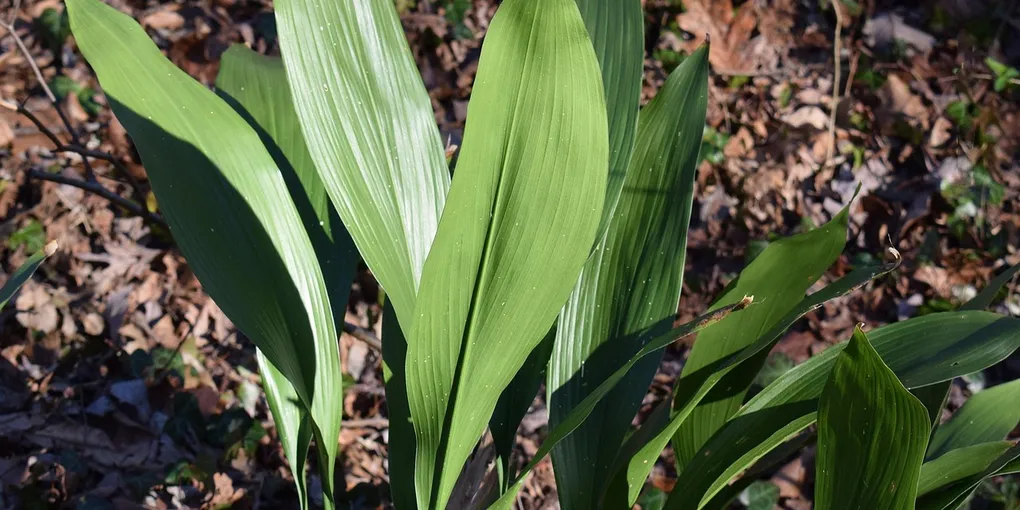
How to Care for a Cast Iron Plant
The cast iron plant (Aspidistra elatior) earned its name honestly. It tolerates deep shade, irregular watering, dry air, and long stretches of outright neglect better than almost any other houseplant sold. If you’ve killed a few plants already and want something that forgives mistakes, this is one of the most forgiving options there is — right alongside the plants on our list of nearly indestructible houseplants for beginners.
Light
A cast iron plant will survive in genuinely low light — deeper shade than most houseplants can handle, including spots several feet from a window or rooms lit mostly by lamps. That tolerance is the whole reason it’s a go-to for dim hallways, offices, and north-facing rooms. It’s not opposed to more light, though: bright, indirect light will noticeably speed up its growth compared to a dark corner. What you want to avoid is direct sun, especially through an unfiltered south- or west-facing window — it scorches the leaves and leaves behind pale, bleached patches that won’t recover. If you’re furnishing a room with little natural light, it’s a solid pick alongside the options in our low-light houseplant guide.
Watering
Let the soil dry out between waterings, then water thoroughly. Cast iron plants handle missed waterings extremely well — going a couple of extra weeks without water is far less risky than watering too often. If you’re unsure, wait. Underwatering shows up slowly and is easy to fix with a good soak; overwatering, especially if it happens repeatedly, is the more serious threat. For a general framework on judging soil dryness by feel rather than a fixed schedule, see watering houseplants the right way.
Soil and pot
This plant isn’t picky about soil. A standard well-draining potting mix works fine, and it will tolerate mixes that would stress out fussier plants. The one non-negotiable is a pot with a drainage hole — without one, water has nowhere to go and sits around the roots regardless of how good the mix is. If you want a reference ratio, our guide to soil mixes for houseplants covers what most houseplants, including this one, are happy with. Because cast iron plants grow so slowly, they can stay in the same pot for years without needing to size up.
Humidity
Cast iron plants are unfussy about humidity and do fine in normal indoor air, including the dry conditions many homes get in winter with the heat running. You don’t need a humidifier, pebble tray, or regular misting to keep one healthy — it’s one less thing to manage compared to humidity-loving plants like calatheas or ferns.
Toxicity
Cast iron plants are non-toxic to cats and dogs — the ASPCA toxic and non-toxic plants database lists them as safe — which makes them a safe choice if pets like to chew on leaves. For more options along the same lines, see our list of pet-safe houseplants for cats and dogs.
Common problems
- Brown, crispy leaf tips or scorched patches: usually direct sun exposure, or fluoride and chlorine buildup from tap water. Move the plant out of direct light, and consider switching to distilled or filtered water if tips keep browning despite a good spot.
- Slow growth, or seemingly no new leaves for months: this is completely normal. Cast iron plants are extremely slow growers even in good conditions, and a new leaf every few months is typical, not a sign of a problem. Don’t mistake a healthy but slow plant for a struggling one.
- Mushy stems or yellowing at the base: root rot, and it only shows up after prolonged, severe overwatering — a rare outcome for this plant unless it’s been sitting in water for a long stretch. Pull it from the pot, trim any soft or discolored roots, and repot into fresh, dry soil. See how to identify and fix root rot for the full process.
- Pests: uncommon on cast iron plants. Their tough, leathery leaves put off most of the usual houseplant pests, though it’s still worth an occasional check for spider mites or scale if leaves look dusty or off-color.
Cast iron plants reward patience more than attention. Give one decent light, water it infrequently, and don’t expect fast results — the payoff is a plant that’s nearly impossible to kill by accident.