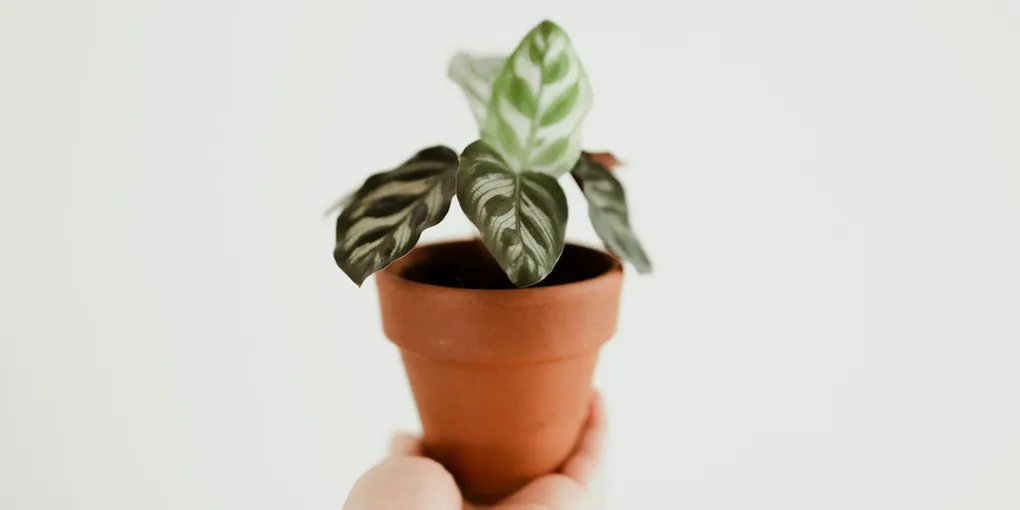
How to Care for a Calathea Orbifolia
Calathea orbifolia grows some of the biggest leaves in the calathea family — broad, round, and glossy, striped in soft silvery-green bands that make it one of the more dramatic plants in this genus. That size is also what makes it pickier than most other calatheas: a leaf surface that large shows dry air, bad water, or a missed watering fast, well before a smaller-leaved variety would look bothered. If you’ve grown an easier calathea before, treat this one as the more demanding sibling rather than a drop-in replacement.
Light
Medium to bright indirect light works best. Direct sun fades the pattern and can scorch those big leaves, but too little light leaves new growth pale and weak. A spot a few feet back from an east or north-facing window, or filtered light from a sheer curtain, tends to work well.
Watering
Keep the soil consistently moist — not soggy, but never allowed to dry out completely. This is one of the areas where orbifolia is less forgiving than a lot of common houseplants: letting the pot go bone-dry stresses it quickly, and the leaves are large enough that you’ll see the result within a day or two rather than a slow decline. Aim for a steady, even watering rhythm rather than the dry-out-then-soak approach that works for something like a pothos.
Water quality
Calathea as a genus is known for reacting to fluoride, chlorine, and mineral buildup in tap water, and orbifolia is no exception — often the first visible sign is brown, crispy edges creeping in along an otherwise healthy-looking leaf. If you’re seeing that despite consistent watering, switching to filtered, distilled, or rainwater is worth trying before you assume anything else is wrong. See the best water for houseplants for the full rundown on which water types actually solve this.
Humidity
This is usually the single biggest factor separating a thriving orbifolia from a crispy, struggling one — more so than getting the watering exactly right. It wants humidity well above typical room levels, ideally 50-60% or higher. A pebble tray helps at the margins, but a humidifier or a naturally humid room makes the real difference. See how to increase humidity for houseplants for practical ways to get there.
Soil and pot
A light, well-draining mix that still holds some moisture works best — heavy on organic matter without staying waterlogged. Use a pot with a drainage hole; this plant wants consistent moisture, not standing water at the roots.
Toxicity
Calathea orbifolia is non-toxic to cats and dogs, which is a nice bonus given how showy it is — see pet-safe houseplants for cats and dogs for more options if you’re building a pet-friendly collection.
Common problems
Brown, crispy leaf edges are the most common complaint with this plant, and almost always trace back to low humidity or water quality rather than anything else. Address both before looking for a different cause.
Leaves curling inward or rolling up beyond the plant’s normal daily leaf movement is usually a drought-stress response — calathea leaves do shift position through the day as part of their natural rhythm, but a leaf that stays tightly curled is asking for water or humidity, not just going through its regular cycle.
Yellowing lower leaves point to overwatering — soil that’s staying wet rather than just consistently moist. Ease back slightly and make sure the pot is draining properly.
A faded, washed-out pattern usually means the plant is getting more direct light than it wants. Move it somewhere with strong indirect light instead, and new growth should come in with better contrast.