Can You Use Eggshells, Coffee Grounds, and Banana Peels as Fertilizer?
Eggshells in the soil, coffee grounds sprinkled on top, a banana peel buried next to the roots — these tips show up constantly, usually framed as free, waste-reducing alternatives to store-bought fertilizer. Some of that is true for outdoor garden beds, where a large volume of soil and active microbial life can slowly break scraps down. A potted houseplant is a much smaller, more contained system, and that difference matters more than most of these tips let on.
Eggshells
Eggshells are mostly calcium carbonate, and crushed shell can add a little calcium to soil over time. The problem is the timescale: in a houseplant pot, without the soil biology of an open garden bed, eggshells break down extremely slowly — often taking months to years to release any meaningful amount of calcium. They also do essentially nothing for nitrogen, phosphorus, or potassium, which are the nutrients most houseplants actually run short on. If a plant is showing signs of nutrient deficiency, a handful of crushed shell in the pot isn’t going to fix it on any useful timeline.
Coffee grounds
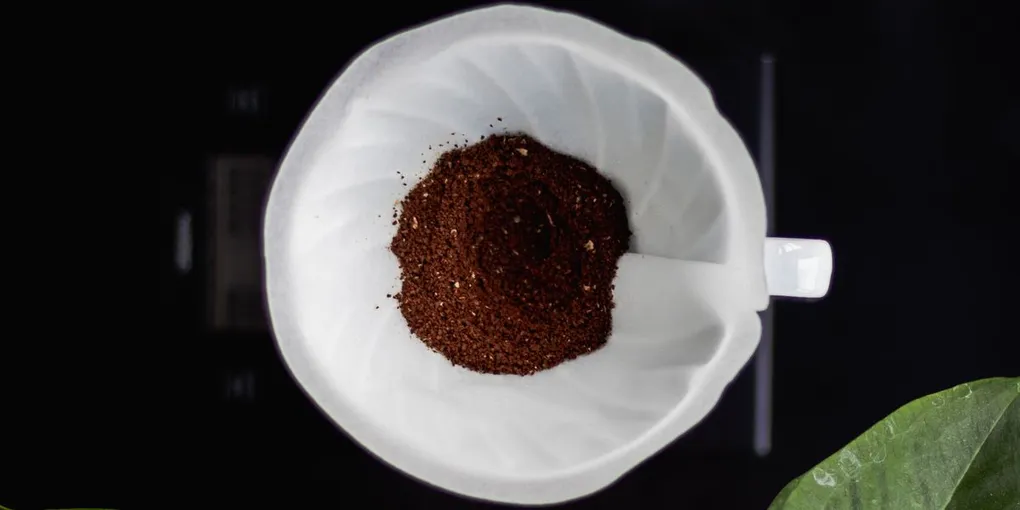
Coffee grounds contain a small amount of nitrogen and are mildly acidic, which is where the advice comes from. Used the way most tips suggest — sprinkled directly and regularly onto the soil surface — they tend to cause more problems than they solve indoors. Grounds compact into a dense layer that can restrict water and air movement into the soil, hold onto moisture longer than the rest of the pot, and become a magnet for mold and fungus gnats, which are drawn to consistently damp organic material sitting on the surface. If you want to use coffee grounds at all, they work far better mixed into a proper outdoor compost pile first, not applied straight to a potted plant’s soil.
Banana peels
Banana peels contain potassium, which is a real nutrient plants use, but the same problem applies: a peel sitting on top of or buried in potting soil breaks down slowly without the microbial activity of garden soil, and in the meantime it’s just decomposing organic matter indoors — inviting the same mold and gnat problems as coffee grounds, plus a noticeable smell as it rots.
The bigger problem with all of these
Garden soil is an open system with a large volume, active microbial and fungal life, and drainage into the surrounding earth. A potted houseplant is a closed, small-volume system by comparison, and the “toss your kitchen scraps in the soil” advice that works reasonably well outdoors doesn’t translate cleanly indoors. Instead of steady, predictable nutrition, you get slow, uneven decomposition, a real risk of mold or pests, and no actual way to know how much of any nutrient the plant is getting — compare that to a fertilizer with a labeled NPK ratio, where at least the input is known. For more on where these kinds of shortcuts fall apart, see common houseplant myths debunked.
What actually works instead
A diluted liquid houseplant fertilizer, applied on a normal schedule, is simply more reliable and lower-risk than kitchen scraps for a potted plant. See how to choose the right fertilizer and how often to fertilize houseplants for the basics of doing this well — and if you’re worried about overdoing it, signs of overfertilizing houseplants covers what to watch for. If you still want to put food scraps to use, composting them properly outdoors or in a dedicated compost system first, then using the finished compost, avoids the mold, pest, and slow-breakdown problems that come with adding raw scraps directly to a houseplant pot.
Common problems
Fungus gnats appearing after adding coffee grounds or fruit scraps to the soil is one of the most common results of trying these tips — the added moisture and organic matter on the surface is exactly what gnats look for. Removing the scraps and letting the soil surface dry out is the fastest fix; see how to get rid of fungus gnats for the full approach.
Moldy or musty-smelling soil after adding banana peels or coffee grounds usually means the scraps are decomposing on the surface rather than breaking down cleanly. Remove what you can and let the soil dry out more between waterings going forward.
No visible improvement despite regularly adding scraps is the most common outcome, simply because these materials release what nutrients they have far too slowly and in far too small a quantity to make a meaningful difference in a pot-sized amount of soil.