How to Care for a Calathea Makoyana (Peacock Plant)
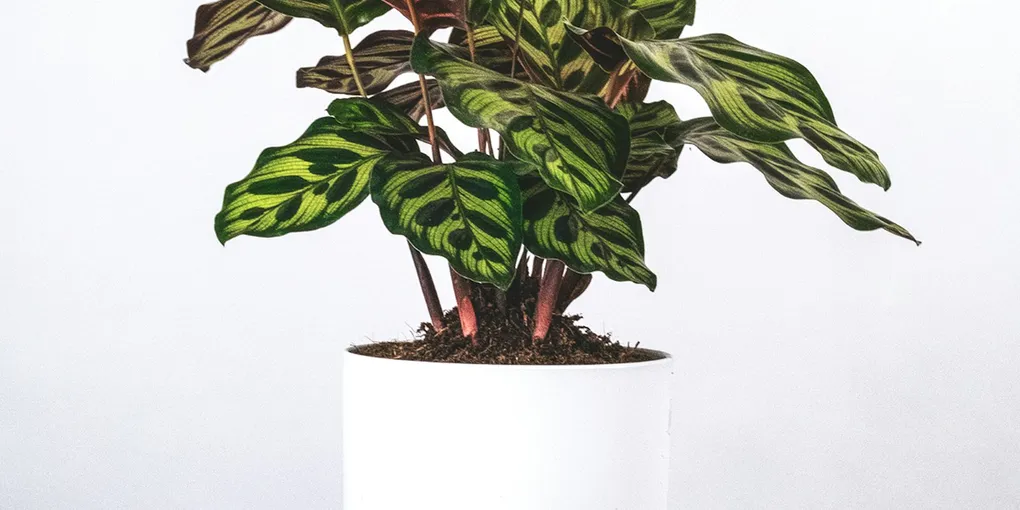
Calathea makoyana, commonly called the Peacock Plant, is known for its thin, papery leaves patterned with dark green oval blotches over pale green, arranged in a way that resembles a peacock’s tail feathers when backlit. The underside of each leaf carries a deep purple-red flush. Like other members of the Calathea family, it displays nyctinasty — its leaves rise and fold together at night and lower again during the day, almost like the plant is breathing. It has a reputation as one of the more demanding Calatheas, even by the standards of a genus that’s already known for being fussy.
Light
Bright, indirect light is ideal — direct sun fades the leaf pattern and can scorch the thin leaf tissue, while too little light causes dull color and slower growth. An east-facing window or a spot a few feet back from a south- or west-facing one works well. Avoid deep shade, since the contrast in the leaf pattern depends on getting enough light.
Watering
Keep the soil consistently and lightly moist — never bone dry, but never waterlogged either. Water when the top inch of soil feels dry, and use room-temperature water. Calatheas are notably sensitive to the chlorine, fluoride, and salts in tap water, which often show up as crispy brown edges even when watering frequency is right. Filtered water, distilled water, or water left out overnight to let chlorine dissipate all help. See best water for houseplants and hard water vs. soft water for houseplants for more detail.
Soil and pot
Use a light, well-draining mix that still holds some moisture — standard potting soil cut with perlite and a bit of peat or coco coir works well. The pot needs a drainage hole, since this plant is sensitive to both drying out completely and sitting in soggy soil.
Humidity
Aim for 50-60% humidity or higher. Below that, expect crispy, curling leaf edges even with perfect watering. A humidifier running nearby is the most reliable way to keep humidity steady; see how to increase humidity for houseplants for setup options, since occasional misting alone won’t sustain what this plant actually needs.
Toxicity
Calathea Makoyana is non-toxic to cats and dogs, making it a solid choice if you want striking foliage in a pet-friendly home. See pet-safe houseplants for cats and dogs for more non-toxic options.
Common problems
Crispy, brown leaf edges are the most common complaint with this plant, and they’re usually caused by a combination of low humidity and tap water sensitivity rather than watering frequency alone. Address both before assuming anything else is wrong.
Curling leaves typically point to underwatering or low humidity. Check the soil first, then raise humidity if the soil moisture looks fine.
Leaves not rising and folding at night can be an early sign of stress from low light, inconsistent watering, or low humidity — a healthy Peacock Plant’s nyctinasty movement is fairly reliable, so a change in that pattern is worth paying attention to.
Faded or washed-out leaf pattern usually means the plant is getting too much direct light. Move it a bit further from the window to let the contrast return on new growth.