How to Care for an Alocasia Cuprea
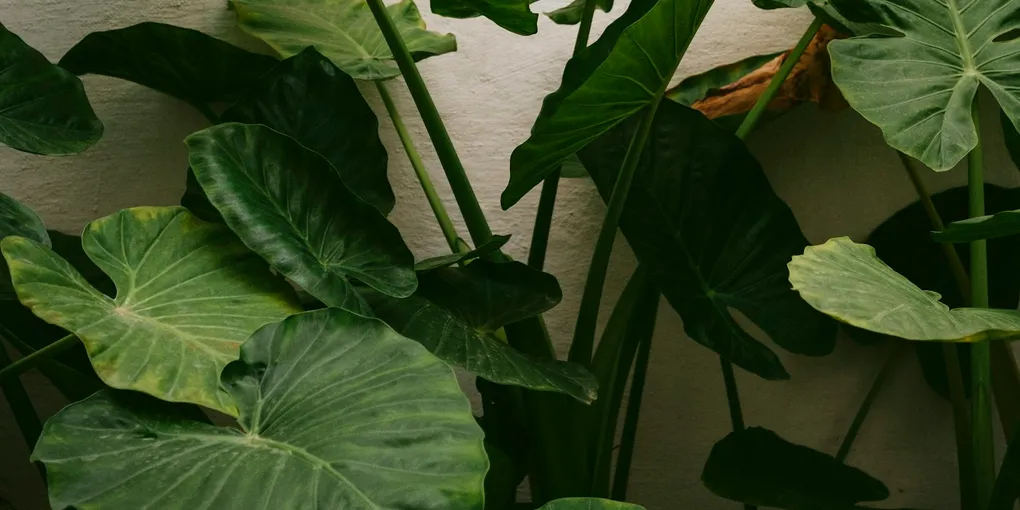
Alocasia Cuprea is one of the more striking members of the Alocasia genus, with thick, deeply quilted leaves in a metallic copper or bronze tone and a dark, almost purple underside. The puckered, hammered-metal texture of the leaf surface is what sets it apart even among showy Alocasias — it genuinely looks polished under the right light. That same thick leaf tissue and compact growth habit come with a demanding care profile similar to Alocasia Black Velvet and Alocasia Dragon Scale, both of which share the same fussy humidity and watering needs.
Light
Bright, indirect light brings out the coppery sheen on the leaves. A few feet back from a south- or west-facing window, or a bit closer to an east-facing one, is a good starting point. Direct sun will scorch the thick leaf tissue, leaving dry, bleached patches, while too little light dulls the metallic color and slows growth to a crawl. If natural light is limited, see how to set up a grow light for houseplants for a reliable way to fill the gap.
Watering
Let the top inch of soil dry out before watering again, then water thoroughly. This plant sits in a narrow band — it doesn’t want to dry out completely for long stretches, but it’s also genuinely more vulnerable to root rot from soil that stays wet than to a slightly late watering. Check the soil with a finger rather than watering on a fixed schedule, and when it’s a toss-up, lean toward underwatering rather than over. See overwatering vs. underwatering houseplants for how to tell the two apart if the leaves start looking off.
Soil and pot
Use a loose, chunky, fast-draining aroid mix — standard potting soil alone holds too much water around this plant’s roots. Cutting a basic mix with extra perlite or orchid bark, as covered in how to make a chunky aroid potting mix, gives the roots the airflow they need. Keep the pot only slightly larger than the root ball; like other Alocasias, this one does better a little snug, since a large volume of soil holds moisture longer than small roots can use.
Humidity
This is the single biggest factor in how well an Alocasia Cuprea does. It wants humidity well above what most homes offer naturally — 60% or higher is a realistic target. Crispy or curling leaf edges are usually the first visible sign that humidity is too low. A humidifier running nearby is the most reliable fix; see how to increase humidity for houseplants for other options, since occasional misting alone won’t move the needle much for a plant this demanding. Grouping it with other humidity-loving plants can also help stabilize the microclimate around it.
Dormancy
Like other Alocasias, Cuprea can drop its leaves and go dormant, especially over winter or after a stressful change in environment. This can look like the plant has died, but the rhizome underground is often still alive. During a dormant stretch, cut back on watering significantly — a dormant rhizome isn’t supporting active leaves and doesn’t need much moisture, and wet soil around it is a real rot risk. Keep the pot warm and stable, skip fertilizer, and be patient. See winter houseplant care for more on how houseplants generally slow down through the colder months.
Toxicity
Alocasia Cuprea is toxic to cats and dogs — its leaves contain calcium oxalate crystals that cause oral irritation, swelling, and drooling if chewed. Keep it well out of reach of pets that like to chew on foliage.
Common problems
Crispy or curling leaf edges point to low humidity almost every time. Raise the humidity around the plant before assuming a watering problem.
Yellowing lower leaves are usually a sign of overwatering — confirm the soil is drying out between waterings and that the pot drains freely.
Dulling of the copper color typically means the plant isn’t getting enough light. Move it closer to a bright window and watch new growth for improvement, since older leaves won’t regain their color.
Sudden, total leaf drop is alarming but often points to dormancy rather than the plant dying, especially over winter or after a recent move. Check that the rhizome still feels firm rather than mushy before writing the plant off, and hold off on heavy watering until new growth appears.