How to Care for a Hoya Linearis
Hoya Linearis stands apart from most other Hoyas in both look and care. Instead of the thick, waxy, succulent-like leaves of plants like Hoya Kerrii or Hoya Pubicalyx, it has thin, fuzzy, almost needle-like foliage that cascades in long trailing strands, giving mature plants a soft, curtain-like look. It’s native to cooler, higher-elevation areas of the Himalayan foothills, which is part of why its care differs from the thicker-leaved, drought-tolerant Hoyas people often start with — this one doesn’t store water in its leaves the same way and dries out faster as a result.
Light
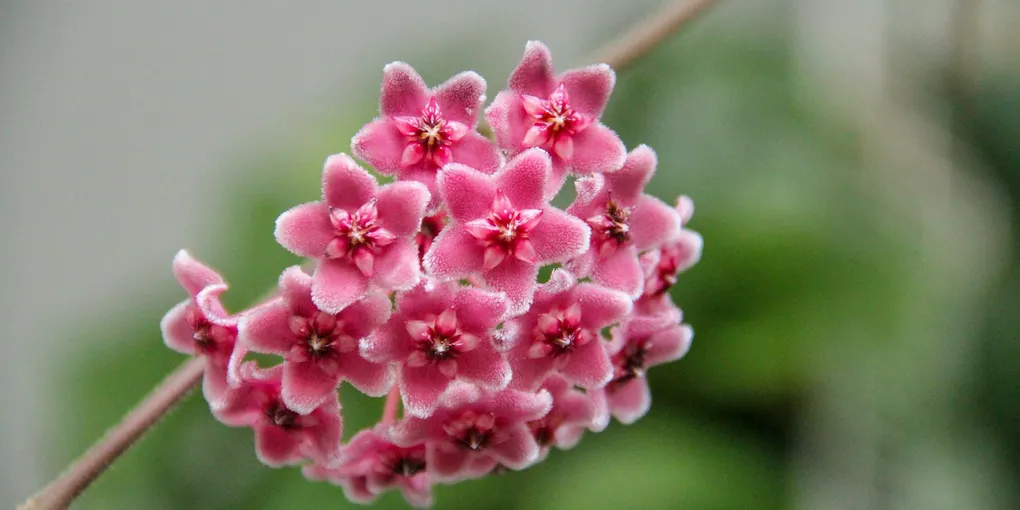
Bright, indirect light works best. A spot near an east-facing window, or a few feet back from a south- or west-facing one, keeps growth full without scorching the thin foliage. Too little light leads to sparse, slow growth and fewer of the fragrant white flower clusters this plant can produce when happy.
Watering
Water when the top inch of soil feels dry — noticeably more often than you’d water a thicker-leaved Hoya. Because the foliage is thin and doesn’t store much water, Hoya Linearis dries out and shows stress faster than succulent-leaved relatives, and letting it go bone dry for extended periods causes leaf drop. That said, it still doesn’t want to sit in soggy soil, so good drainage matters as much as watering frequency.
Soil and pot
Use a well-draining mix with good moisture retention — a standard aroid or orchid mix cut with extra sphagnum moss works well, striking a balance between drainage and the slightly more consistent moisture this plant wants compared to other Hoyas. A hanging pot or one on a high shelf suits its trailing growth habit and lets the strands cascade freely.
Humidity
Aim for 50-60% humidity if you can manage it. This plant appreciates more humidity than tougher Hoya species, and low humidity shows up as dry, shriveled foliage. See how to increase humidity for houseplants for practical ways to raise it — a spot in a bathroom with good light or near a humidifier both work well.
Toxicity
Hoya Linearis is considered non-toxic to cats and dogs, making it a reasonably safe choice for homes with curious pets, though it’s still best to keep any houseplant out of easy reach. See pet-safe houseplants for cats and dogs for more options.
Common problems
Shriveled, dry-looking leaves almost always mean the plant has gone too long without water. Unlike thicker Hoyas, this species doesn’t tolerate extended dry stretches well — water more promptly once the top inch of soil dries out.
Leaf drop can follow a stretch of underwatering or a sudden change in conditions, like a move to a drier or darker spot. Keep conditions as stable as possible and resume a more consistent watering rhythm.
Sparse, slow growth usually points to insufficient light. Move the plant somewhere brighter, though still out of direct, hot sun.
No flowers despite otherwise healthy growth is common and not necessarily a sign of a problem — Hoyas often need to mature and reach a certain size before they bloom, and bright light plus consistent care over time improves the odds.