How to Use Worm Castings on Houseplants
Worm castings show up constantly in houseplant care advice, usually described as some kind of gentle miracle amendment. The reality is more modest and more useful: castings are simply worm manure, a mild organic fertilizer and soil conditioner with a genuinely good safety profile, but not a replacement for feeding a plant properly.
What worm castings are
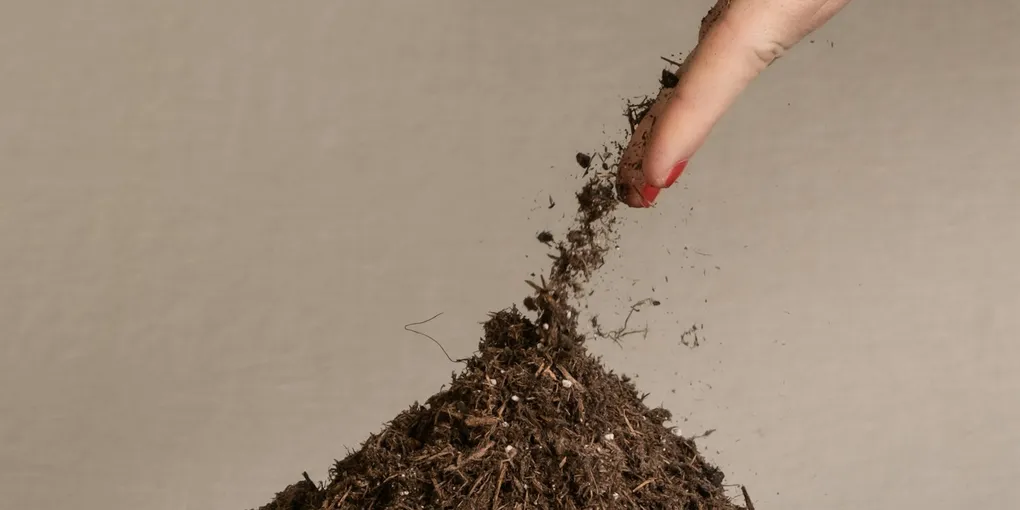
Worm castings are the waste product left behind after worms — usually red wigglers in a commercial vermicomposting operation — digest organic matter like food scraps and plant material. What comes out the other end is a dark, crumbly, soil-like material that’s been broken down into a form plants can use much more readily than the raw organic matter it started as.
What they’re good for
- Slow-release nutrients. The nutrients in castings are bound up in organic form and released gradually as soil microbes continue breaking them down, rather than dumping everything into the soil at once.
- Improved soil structure. Mixed into potting soil, castings improve texture and help the mix retain moisture more evenly without becoming compacted.
- Increased microbial activity. Castings introduce beneficial microbes that support a healthier root zone over time — part of why they’re often described as a soil conditioner as much as a fertilizer.
- Very low risk of burn. Because the nutrients release slowly and aren’t concentrated the way synthetic fertilizer salts are, it’s very difficult to overdo it with worm castings. This makes them a reasonably forgiving option if you’re nervous about burning roots.
How to use them
There are three practical ways to work worm castings into your routine:
- As a top-dressing. Sprinkle a thin layer — roughly a quarter to half an inch — on top of the soil surface. Watering gradually carries the nutrients down to the root zone over the following weeks.
- Mixed into potting soil at repotting time. Blend castings into fresh potting mix, generally somewhere around 10 to 20% of the total volume, to give a repotted plant a mild nutrient boost and better soil structure from the start.
- Steeped as a liquid “worm tea.” Soak a scoop of castings in water for a day or two, strain, and use the resulting liquid as a mild feed when watering. This gets nutrients to the roots faster than a top-dressing, though still far more gently than a synthetic liquid fertilizer.
How often
This isn’t a fast-acting feed, and it doesn’t need to be applied often. A monthly top-dressing, or an occasional round of worm tea worked into your regular watering, is plenty. Piling on more castings more frequently doesn’t meaningfully speed up results — it just adds more material than the plant and soil can use at once.
The honest caveat
Worm castings have a genuinely low NPK content compared to synthetic or even most other organic fertilizers. That’s exactly what makes them safe and gentle, but it also means they can’t carry the full nutritional load for a plant with real, ongoing demands — a fast-growing plant in active season, or one that’s already showing deficiency symptoms, needs more concentrated feeding than castings alone can provide. Think of them as a supplement and soil conditioner that works well alongside a complete fertilizer, not a substitute for one. Our guides to choosing the right fertilizer and what NPK numbers actually mean are the better starting point if a plant needs a real, sustained feeding schedule — use worm castings to round that out, not to replace it.