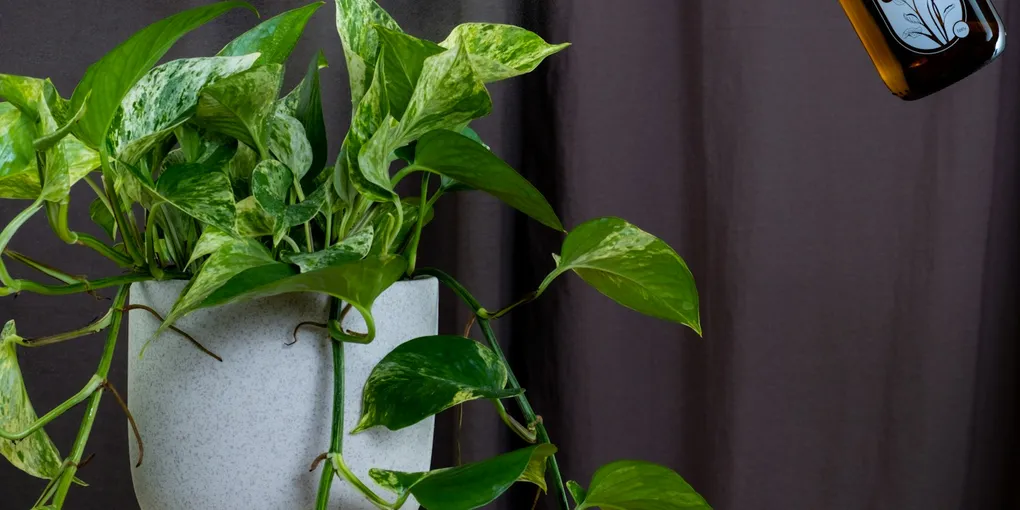
How to Use Neem Oil on Houseplants Safely
Neem oil gets recommended constantly for houseplant pests, but a lot of people apply it once, don’t see the infestation vanish overnight, and assume it doesn’t work. Neem isn’t a contact poison that kills on touch — it’s a slower-acting treatment that interferes with how pests feed and reproduce, and it only works if you apply it correctly and repeat it on a schedule.
What neem oil actually does
Neem oil comes from the seeds of the neem tree, and its main active compound, azadirachtin, disrupts insect hormone systems. It interferes with feeding, molting, and reproduction rather than killing instantly on contact the way a harsher pesticide would. Some formulations also have a mild fungicidal effect, which helps with issues like powdery mildew alongside pest control. This is why neem takes patience: an insect coated in neem might not die for a day or two, and eggs already laid before treatment will still hatch. The payoff comes from repeated applications breaking the pest’s life cycle over a few weeks, not from a single spray wiping everything out at once.
Mixing it correctly
Neem oil doesn’t dissolve in water on its own — it beads and separates, so a plain water-and-neem mix will apply unevenly and mostly wash off. You need an emulsifier to bind the two together:
- Add a few drops of mild dish soap (unscented, without degreasers or bleach) to a spray bottle of lukewarm water.
- Add neem oil, following the dilution rate on the bottle — typically around 1-2 teaspoons per quart of water for cold-pressed neem oil, though concentrations vary by product.
- Shake well before every use, and shake again periodically while spraying, since the mix separates again within minutes of sitting still.
Use the mixture the same day you make it. Diluted neem oil doesn’t store well and loses effectiveness if it sits mixed for more than a few hours.
How to apply it
Spray until the plant is dripping, covering all leaf surfaces — top and bottom — plus stems and the crooks where leaves meet stems, since that’s where soft-bodied pests like to hide. The undersides of leaves matter as much as the tops; most infestations are worse there, and a one-sided spray leaves the bulk of the pest population untouched. Work outdoors or over a sink or tub if you can, since it’s a genuinely messy treatment.
Apply in the evening or out of direct sun
Neem oil is phototoxic to a lot of plants: applied leaves that then sit in direct, bright sun can develop scorched or burned patches, similar to what’s described in leaf scorch on houseplants from too much sun but caused by the oil rather than the sun alone. Spray in the evening or move the plant somewhere shaded for a day after treatment, and don’t spray a plant that’s about to sit in a hot, sunny window. Cooler, low-light conditions after application give the oil time to do its work without the leaf-burn risk.
Repeat-application schedule
One spray isn’t enough. Reapply roughly every 7-14 days for at least three to four rounds, matching the timeline to how fast the specific pest reproduces — spider mites and aphids cycle faster and benefit from the shorter end of that range, closer to weekly. Skipping the follow-up treatments is the single most common reason neem “doesn’t work” — the first spray knocks back the visible adult population, but eggs and any pests that weren’t hit directly repopulate the plant within days if you stop there.
What it’s actually effective against
Neem works best on soft-bodied, slow-moving pests: aphids, mealybugs, and spider mites are all reasonable targets, since the oil can coat their bodies and disrupt feeding effectively. It’s much less effective against scale insects once they’ve developed their waxy protective shell — the coating blocks the oil from reaching the insect underneath, so mechanical removal or a more targeted treatment usually works better there. For a broader rundown of what you’re dealing with before choosing a treatment, see common houseplant pests and how to get rid of them.
A few safety notes
Neem has a strong, sulfurous smell that some people find unpleasant indoors — treating outdoors or in a well-ventilated space helps. It’s also worth patch-testing on a leaf or two before spraying an entire plant, especially for thin-leaved or sensitive species, since sensitivity varies enough between plants that a “safe for houseplants” label doesn’t guarantee zero reaction on every plant in your collection.