How to Get Rid of Root Aphids on Houseplants
Root aphids are one of the harder houseplant pests to catch early, precisely because the damage happens where you can’t see it. A plant can look steadily worse for weeks — wilting, yellowing, stalled growth — while everything above the soil line looks completely normal, because the problem is happening entirely below it.
What root aphids are
Root aphids are closely related to the regular aphids that cluster on stems and new growth, but instead of feeding on sap above the soil, they live in the root zone and feed directly on roots. They’re usually pale, grayish, or waxy white rather than the green or black of foliar aphids, and they’re often coated in a fine white powdery substance that can look like mold at first glance. Because they never show up on the leaves, they’re much easier to miss until a plant is already struggling.
How they differ from regular aphids
The biology is similar — both are small, soft-bodied, sap-feeding insects that reproduce quickly — but the location changes everything about how you spot and treat them. Regular aphids cluster in plain sight on tender new growth and respond well to a foliar spray of soap or neem oil. Root aphids are hidden in the soil, so a spray aimed at leaves and stems never reaches them, and a plant can have a serious root aphid infestation while showing zero insects anywhere above the surface.
How to identify them
Wilting or yellowing despite normal watering is the main red flag. If a plant is drooping or discoloring even though the soil is moist and your watering routine hasn’t changed, root aphids are worth ruling out — the plant is struggling to take up water and nutrients because its roots are being fed on, not because of anything you’re doing wrong.
Stunted or stalled growth over several weeks, especially in a plant that had been growing normally beforehand.
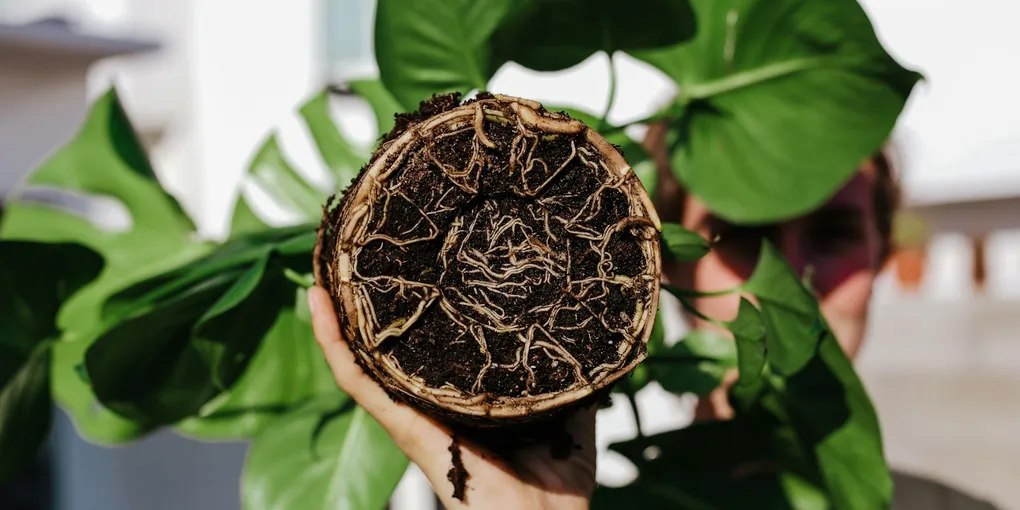
A white, powdery or waxy residue in the soil, sometimes visible right at the surface near the base of the plant or on the inside of the pot when you slide the root ball out.
Small pale insects near the roots when you actually check. Since root aphids don’t announce themselves the way foliar pests do, the only reliable way to confirm them is to gently dig into the top inch of soil, or slide the plant out of its pot at your next repotting, and look for tiny grayish-white insects clustered around the roots.
The symptoms above overlap a lot with root rot, which is a far more common cause of unexplained wilting — check for mushy, dark, foul-smelling roots first, since that points to rot rather than pests. Root aphids tend to leave roots intact but weakened, without the soft, disintegrating texture rot causes.
Why they show up
Root aphids often arrive on a new plant that was already infested at the nursery, hidden in soil that looked perfectly normal at the time of purchase. They can also spread between houseplants that share a watering tray or sit close enough for insects to migrate through touching soil or drainage water. Like other sap-feeders, they’re drawn to plants that are already a bit stressed, since a weakened plant has less capacity to resist feeding damage.
How to get rid of them
Unpot the plant and rinse the roots. Gently remove as much of the old soil as you can and rinse the root ball thoroughly under running water to physically wash off a large share of the insects before treating.
Repot into fresh, sterile soil. Old soil can still harbor eggs and stragglers even after rinsing, so don’t reuse it. See the best soil mix for houseplants for putting together a mix that drains well, and how to repot a houseplant for the general process.
Apply a soil drench of insecticidal soap or neem oil. Since the insects are living in the soil rather than on exposed foliage, a drench that saturates the root zone works far better here than a foliar spray.
Consider beneficial nematodes for a more established infestation. These microscopic organisms seek out and kill soil-dwelling pests like root aphids without harming the plant, and they’re a reliable option when a soap drench alone hasn’t fully cleared the problem.
Repeat treatment every couple of weeks for at least a month, since root aphids reproduce quickly and a single treatment rarely gets every insect and egg in one pass.
How to prevent them coming back
Inspect the roots of new plants at your first repotting rather than assuming soil that looks fine on the surface is clean all the way through. Avoid letting multiple plants sit in the same standing water tray, since that’s an easy way for a hidden infestation to spread. Well-draining soil that doesn’t stay constantly damp also makes conditions less favorable for root aphids to establish in the first place — a plant sitting in soil that never fully dries out is more vulnerable to both root aphids and fungus gnats, another pest that thrives in the same conditions.