How to Care for a ZZ Raven
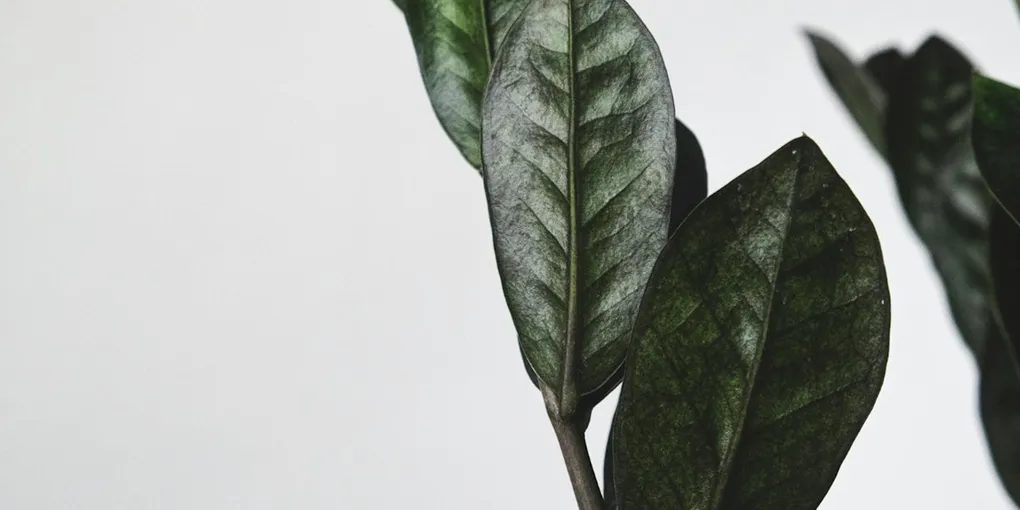
ZZ Raven (Zamioculcas zamiifolia ‘Raven’) is a cultivar of the standard ZZ plant, grown for glossy foliage that matures to a deep, near-black purple instead of the usual green. The one thing that catches new owners off guard: every new leaf emerges bright lime-green and only darkens over several weeks. If you’ve just brought one home and the newest growth looks nothing like the dark leaves you bought it for, that’s completely normal — not a sign the plant is reverting or struggling.
Light
ZZ Raven tolerates low light about as well as a standard ZZ plant, making it a workable choice for a dim corner or an office with only fluorescent light overhead — see best low-light houseplants if you’re furnishing a room with little natural light. That said, the darkest, richest color and the fastest growth come with bright, indirect light. Avoid hours of direct sun, which can scorch the leaves.
Watering
Like its green relative, ZZ Raven grows from thick, potato-like rhizomes underground that store water, and it’s built to shrug off missed waterings for weeks at a time. Let the soil dry out completely before watering again, then water thoroughly. This plant is far more likely to die from overwatering than from neglect — when in doubt, wait a few more days rather than watering again.
Soil and pot
Use a well-draining potting mix and a pot with a drainage hole. The rhizomes already hold a water reserve, so soil that stays wet around them causes rot fast. A standard mix cut with perlite works well. When repotting, size up only modestly — a pot that’s too roomy just gives excess moisture more space to sit around the rhizomes.
Growth habit
ZZ Raven is a naturally slow grower, and low light will slow it down further without harming it. Don’t mistake a long stretch with no new growth for a struggling plant — as long as existing stems are firm and glossy, it’s doing fine. If you want something that fills in faster with similarly low effort, see nearly indestructible houseplants for beginners for other easy options.
Propagation
ZZ Raven propagates from leaf or stem cuttings the same way a standard ZZ plant does, but expect it to take patience — rooting and establishing a new rhizome is slow, often taking months before you see much aboveground progress. For the general cutting technique, see how to propagate houseplants from cuttings.
Toxicity
ZZ Raven is toxic to cats and dogs if chewed, containing calcium oxalate crystals that cause mouth and stomach irritation. Keep it out of reach of curious pets, or see pet-safe houseplants for cats and dogs for alternatives.
Common problems
New leaves emerging bright green instead of black is the single most common concern with this plant, and it isn’t a problem at all. Every leaf starts out lime-green and darkens gradually over several weeks as it matures — young growth simply hasn’t caught up yet.
Yellowing stems or a mushy base point to overwatering, the most common way this plant actually dies. Let the soil dry out fully, cut back on how often you water, and confirm the pot drains. Rhizomes that feel soft rather than firm are a sign rot has already set in.
Slow or stalled growth is usually just this plant’s normal pace rather than a symptom of poor care. Check that light and watering are reasonable, then be patient — ZZ Raven was never going to be a fast grower, even under ideal conditions.