How to Care for a Rhipsalis
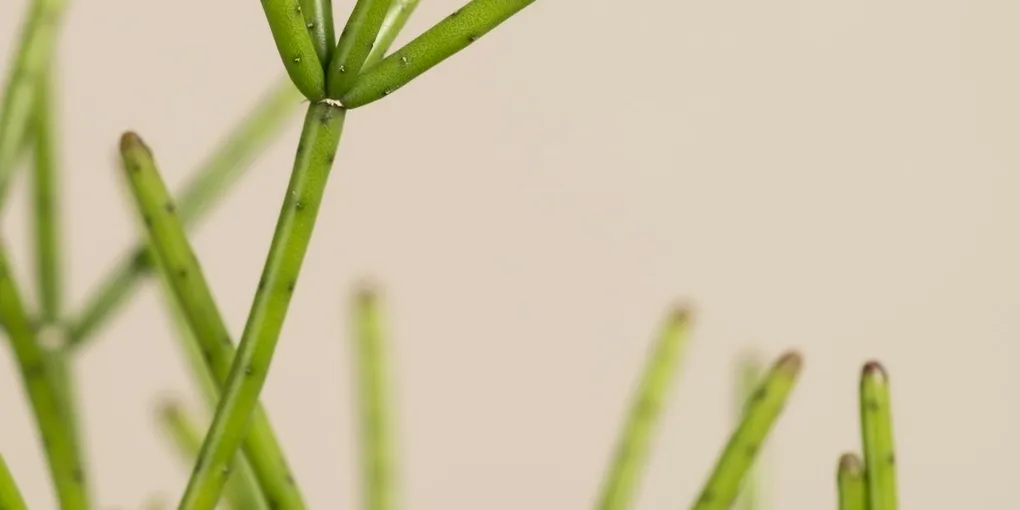
Rhipsalis is a genus of spineless, epiphytic cacti with thin, trailing, often segmented stems that cascade down in soft green strands — closer in look to a tangle of pasta or a hanging fern than to the barrel- or paddle-shaped cacti most people picture. It grows naturally in the crooks of trees in humid rainforest canopy, not in sand and full sun, and that origin is the key to getting its care right.
Light
Bright, indirect light suits Rhipsalis best. In its native rainforest canopy it grows in the dappled light filtering through a tree’s branches, not exposed to full sun, so intense direct light through a window can scorch its thin stems. A few feet back from a bright window, or an east-facing spot, works well. Too little light causes sparse, thin growth rather than the full, trailing look this plant is grown for.
Watering
Because it’s a rainforest epiphyte rather than a desert cactus, Rhipsalis wants more consistent moisture than a true desert cactus does — don’t let it dry out completely for long stretches the way you might with a spinier cactus. At the same time, it still doesn’t want to sit waterlogged; let the top inch or so of soil dry before watering again. This puts it closer in habit to a Christmas cactus, another epiphytic rainforest cactus that gets mis-watered constantly because of the word “cactus” in its name.
Soil and pot
Skip a straight desert cactus mix, which drains too fast and dries too aggressively for this plant’s taste. A blend leaning more organic and moisture-retentive works better — mixing standard potting soil with orchid bark and perlite mimics the loose, humus-rich material Rhipsalis roots into in the wild, wedged into tree bark and leaf litter. Whatever mix you use, keep a drainage hole in the pot; consistent moisture doesn’t mean waterlogged roots.
Humidity
Rainforest canopy air is humid, and Rhipsalis shows it when that’s missing — stems can go noticeably limper and drop segments in very dry indoor air, especially in winter with the heat running. It doesn’t need a full humidity setup to survive, but a spot with a bit more ambient moisture helps it look its best. See how to increase humidity for houseplants for simple ways to raise it, or feed it on the same light schedule as other easy growers — see how often to fertilize houseplants for a general routine, since Rhipsalis only needs a light feed during active growth.
A trailing plant
The long, cascading stems make Rhipsalis one of the better hanging cactus options, doing well in a hanging basket or on a high shelf where its strands can drop freely. See best hanging and trailing houseplants for other picks if you’re filling out a shelf or macrame hanger and want more options in a similar style.
Common problems
Shriveled or wrinkled stems point to underwatering, which is the more common issue with this plant compared to a desert cactus — check how long it’s been since the soil was last moist rather than assuming it needs to dry out further.
Yellowing or mushy stem segments signal overwatering or rot, usually from soil that’s stayed wet too long or a pot without adequate drainage. Let it dry out and confirm the pot actually drains.
Sparse, thin growth with few new segments usually means either not enough light or a plant that hasn’t been fed in a long time. Move it somewhere brighter first, and add a light feed during spring and summer if the soil itself seems fine.