How to Care for a Money Tree
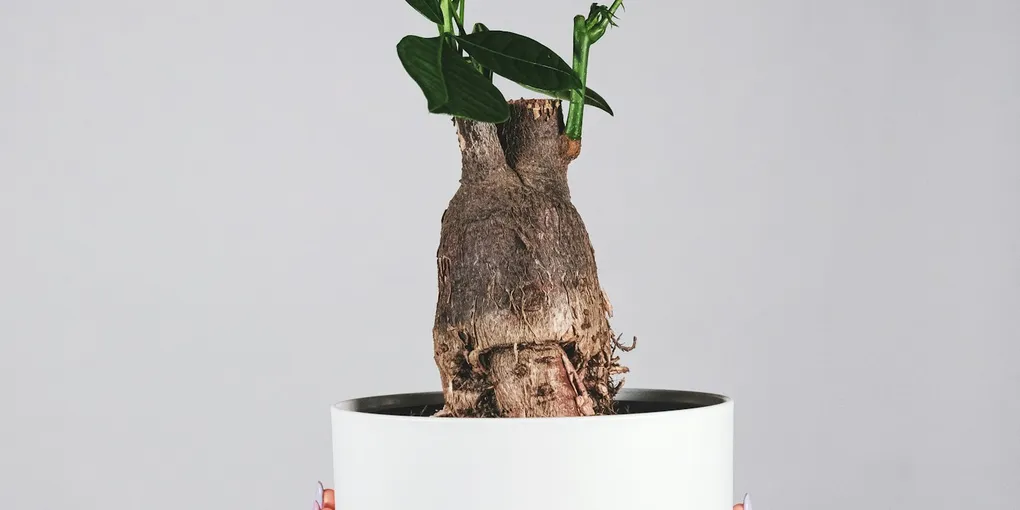
The money tree (Pachira aquatica) is instantly recognizable by its braided trunk — several young stems woven together that fuse and thicken as the plant matures. It’s long been considered a feng shui symbol of good luck and prosperity, which is why it shows up so often as an office desk plant or a housewarming gift. Underneath the symbolism, though, it’s a genuinely easy plant to keep alive once you understand what it actually wants.
Light
Bright, indirect light is ideal. A money tree will tolerate medium light, but growth slows down and the plant can start reaching for whatever light is available. If you notice it leaning hard toward a window or growing leggy on one side, that’s a sign it needs either a brighter spot or a quarter-turn every week or two to keep growth even. Avoid harsh direct sun — a few hours of direct afternoon light through unfiltered glass can scorch the leaves, leaving pale or brown patches that won’t recover.
Watering
Let the top 1-2 inches of soil — or up to about half the pot’s depth — dry out before watering again, then water thoroughly until it runs from the drainage hole. In the wild, Pachira aquatica grows in swampy, flood-prone terrain, but that doesn’t mean it wants constantly wet soil as a houseplant. Grown in a pot with limited drainage, it’s far more commonly killed by overwatering than underwatering. The braided trunk itself stores water like a succulent stem, which makes the plant more drought-tolerant than people expect — it can go longer between waterings than the “swamp plant” reputation suggests. If you’re seeing yellowing leaves, that’s the classic overwatering signal; for a broader rundown of what different discoloration patterns mean, see why are my plant’s leaves turning yellow.
Soil and pot
Use a standard, well-draining potting mix — nothing specialized is required. What matters most is that the pot has a drainage hole, since this is a plant that suffers quickly when roots sit in water. Don’t let it sit in a saucer of standing water after you irrigate; empty the saucer once it’s done draining. If you’re repotting and aren’t sure what size to move up to, see how to choose the right pot size for houseplants.
Humidity
As a native of tropical wetlands, a money tree appreciates above-average humidity, but it adapts reasonably well to normal indoor conditions. The main exception is dry air near heating vents or in winter-heated rooms — that’s often when you’ll see brown, crispy leaf edges show up. If your home runs dry, a little extra humidity goes a long way; see how to increase humidity for houseplants for practical ways to raise it around your plants.
Toxicity
Money trees are non-toxic to cats and dogs, which makes them a safe choice if you share your home with pets. For a longer list of pet-friendly options if you’re building out a collection, see pet-safe houseplants for cats and dogs.
Common problems
Yellow leaves and leaf drop are almost always caused by overwatering. Let the soil dry out further between waterings and double-check that the pot is actually draining — this is the first thing to fix before assuming anything else is wrong.
Brown, crispy tips usually point to low humidity, especially if the plant sits near a heating vent or air conditioning unit. They can also result from a buildup of mineral salts from tap water or fertilizer accumulating in the soil over time. Flushing the soil thoroughly with water every few months helps clear out that buildup.
Leggy, sparse growth means the plant isn’t getting enough light. Move it closer to a bright window — just keep it out of direct sun — and rotate it periodically so it doesn’t grow lopsided while reaching for the brightest source in the room.