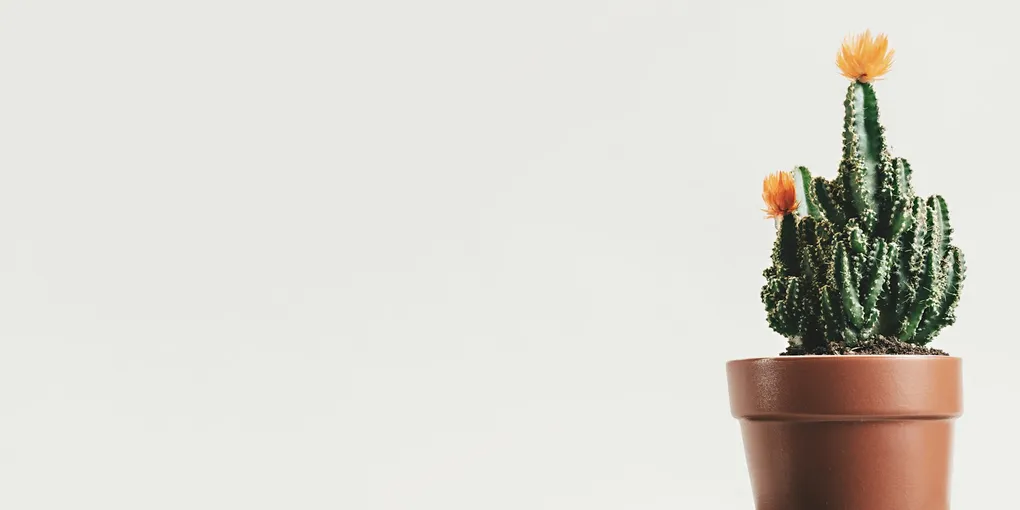
How to Care for a Bunny Ear Cactus
Bunny ear cactus (Opuntia microdasys) gets its name from the flat, paired oval pads that grow in rabbit-ear-like clusters. Those pads are covered in small tufts that look soft and fuzzy from a distance — they are not. That fuzzy look is the single most important thing to understand about this plant before bringing one home.
The fuzzy tufts are not soft
What looks like fuzz is actually clusters of glochids: tiny, barbed bristles, different from the long spines of most cacti. Glochids detach at the slightest touch and embed in skin almost invisibly, causing irritation that can last for days. This plant genuinely tempts people into touching it to see if it’s really as soft as it looks — don’t. Keep it away from curious pets and small children, and handle it only with thick gloves or a folded towel or newspaper wrapped around the pad, never bare hands.
If you do get glochids in your skin, don’t try to pick them out one by one with bare fingers, which just spreads them further. Use tweezers under good light, or press a strip of tape or a thin layer of white glue onto the area, let it dry or set, and peel it off — the glochids lift out stuck to the tape or dried glue.
Light
Bunny ear cactus is a true desert cactus and wants as much direct sun as you can give it — a south-facing window is close to the minimum, and several hours of direct sun a day is ideal. In lower light it survives but grows weak and pale, and the pads lose their compact shape.
Watering
Let the soil dry out completely before watering again, then water thoroughly. In spring and summer that’s usually every 1-3 weeks depending on how fast your specific pot dries out; in fall and winter, cut back further, since the plant goes semi-dormant and needs very little water during the cooler, darker months. Overwatering, not underwatering, is what kills this plant most often — see how to care for succulents for the general watering approach this cactus follows closely.
Soil and pot
Use a fast-draining cactus or succulent mix rather than a standard potting mix — see the best soil mix for houseplants for how to build or buy one suited to a plant like this. A terracotta pot is a good choice here, since its porous walls let excess moisture evaporate faster than plastic or ceramic would, adding an extra margin of safety against overwatering. A drainage hole is essential regardless of pot material.
Propagation
Bunny ear cactus propagates easily from pad cuttings. Using tongs or a thickly gloved hand, twist off a healthy pad at a joint, let the cut end callous over for a few days to a week, then set it callus-side down in dry cactus soil. Hold off on watering for another week or so after that, then begin watering lightly once you see the pad has started to root. See how to propagate houseplants from cuttings for the general principles behind letting cuttings callous before rooting.
Toxicity
Bunny ear cactus isn’t significantly toxic if eaten, but that’s beside the point — the glochids are a physical hazard to pets and people well before ingestion would ever be a concern. Keep it somewhere a cat, dog, or small child won’t brush against it. See pet-safe houseplants for cats and dogs if you want species that pose neither a chemical nor a physical risk.
Common problems
Mushy, discolored pads are the clearest sign of overwatering or rot, usually from soil that’s stayed damp too long. Let the soil dry out fully and check that the pot is actually draining; severely rotted pads may need to be removed to stop it from spreading.
Shriveled, deflated pads point to underwatering, though this develops slowly and is much less common than rot with this plant. A thorough watering should plump the pads back up over the following days.
Pale color and stretched, elongated new pads mean the plant isn’t getting enough light. Move it somewhere brighter — a spot with real direct sun rather than just a bright room — to bring back its normal compact growth.
Glochids everywhere near the plant are normal — they shed on their own over time, especially if the plant gets bumped or brushed. Handle cleanup the same way as a direct glochid injury: tape or a damp cloth (used carefully, then discarded) rather than bare hands.