How to Care for a Begonia Maculata (Polka Dot Begonia)
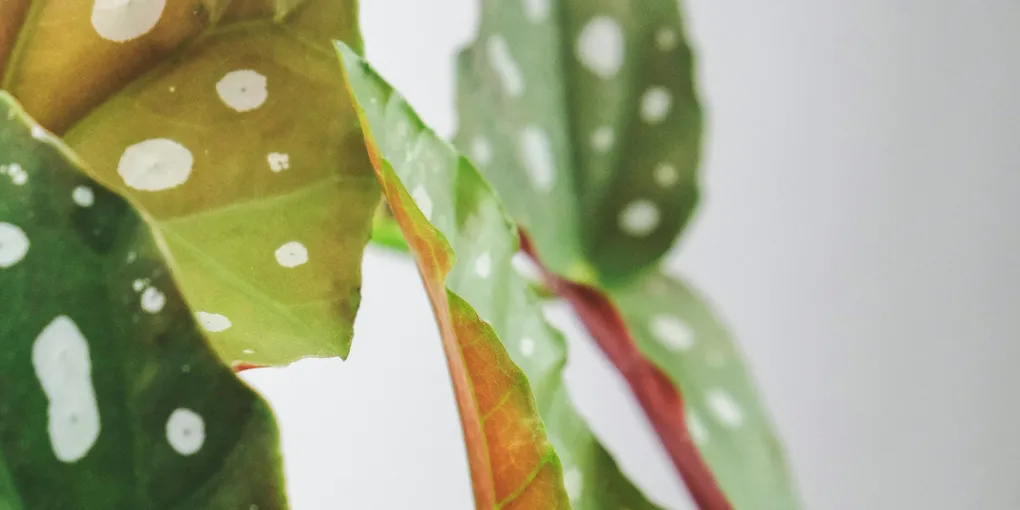
Begonia maculata, better known as the polka dot begonia, is grown for one of the most distinctive leaf patterns in the houseplant world: olive-green, angel-wing-shaped leaves scattered with silvery-white spots on top and a deep red-maroon underside. It’s a striking plant, and also one that gets a reputation for being finicky. Most of that reputation comes down to two things — water landing on the leaves, and the gap between what “humid enough” and “too wet” actually look like. Get those right and a polka dot begonia is a manageable, rewarding plant rather than a fussy one.
Light
Bright, indirect light is what keeps the spots crisp and the leaf undersides deeply colored. A spot a few feet back from an east- or south-facing window, or right in front of a sheer curtain, works well. Too little light and the plant gets leggy and the pattern fades toward plain green. Direct sun is the bigger risk, though — even a couple hours of hot, direct rays will scorch the leaves, leaving bleached or crispy patches that don’t recover. If you’re choosing a window, filtered or dappled light beats anything unobstructed.
Watering
Let the top 1-2 inches of soil dry out before watering again. Polka dot begonias don’t want to sit in soggy soil — that’s a fast route to root and stem rot — but they also don’t want to dry out completely for extended stretches, which shows up as drooping and crispy edges. Check by feel rather than on a fixed schedule; watering houseplants the right way covers how to judge this without guessing.
The bigger rule with this plant is to keep water off the leaves. Begonia maculata is prone to fungal leaf spot and powdery mildew, and wet foliage sitting in still air is exactly what invites both. Water at the soil line — a watering can with a narrow spout makes this easy — rather than overhead, and if any leaves do get splashed, let them dry quickly rather than leaving the plant in a low-airflow spot.
Soil and pot
Use a well-draining, chunky, airy mix rather than dense all-purpose potting soil. A standard mix cut with perlite and a bit of orchid bark gives the roots the drainage and aeration they need while still holding some moisture. Always pot in something with a drainage hole; this plant has very little tolerance for standing water at the roots. See the best soil mix for houseplants for a ratio to start from.
Humidity
Polka dot begonias want moderate to higher humidity than most homes provide by default. Dry air causes crispy, browning leaf edges, and it’s genuinely more comfortable for the plant somewhere in the 50%+ range. The tricky part is that humidity and wet leaves interact: humid air with poor circulation and leaves that stay damp is the exact combination that leads to powdery mildew, even though low humidity is what pushed you to raise moisture in the first place. The fix is to raise ambient humidity — a humidifier, a pebble tray, or grouping plants together — while also keeping decent airflow around the plant, rather than misting the foliage directly. How to increase humidity for houseplants covers methods that actually work without soaking the leaves.
Toxicity
Begonia maculata is toxic to cats and dogs — the ASPCA toxic and non-toxic plants database lists it as toxic. It contains soluble calcium oxalates, concentrated most heavily in the underground parts but present throughout the plant, and chewing on it causes mouth and GI irritation — drooling, vomiting, and swelling around the mouth. The reaction tends to be worse in cats than dogs. Keep it out of reach of pets that like to chew on leaves, and see pet-safe houseplants for cats and dogs if you need alternatives for a pet-heavy household.
Common problems
White, dusty coating on leaves is powdery mildew, usually caused by a combination of wet foliage and poor air circulation. Improve airflow around the plant, avoid overhead watering, and remove badly affected leaves so it doesn’t spread to new growth.
Sudden leaf drop often follows a cold draft, a sudden temperature swing, or simply moving the plant to a new spot. It’s a stress response rather than a sign of a dying plant — keep conditions stable and new growth should resume within a few weeks.
Brown, crispy leaf edges point to low humidity. Raise the humidity around the plant rather than watering more; overwatering to compensate just adds a rot risk on top of the original problem.
Tall, leggy, cane-like growth with leaves only near the top is normal for this plant left unpruned — it’s a cane begonia and will keep growing upward rather than filling out on its own. Pinch or prune the stems back periodically to encourage bushier, fuller growth; see how to prune houseplants for the technique.
Dial in bright indirect light, water at the soil line instead of overhead, and keep humidity up without leaving the leaves wet, and this is a far steadier plant than its reputation suggests.