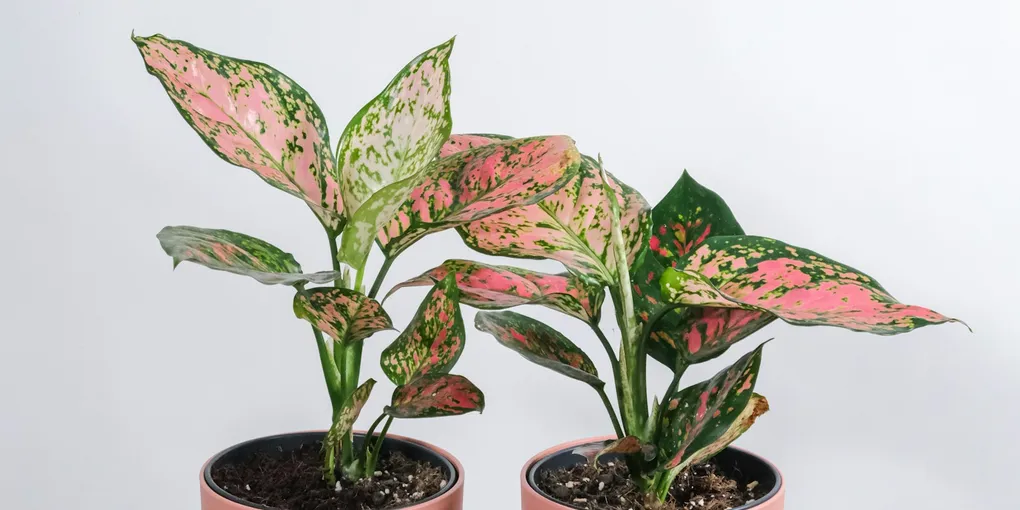
How to Care for an Aglaonema Pictum Tricolor
Aglaonema pictum ‘Tricolor’ is a collectible, slower-growing member of the Aglaonema family, prized for matte leaves patterned in irregular patches of dark green, silver, and light green that give the foliage an almost camouflage-like look. It’s noticeably fussier than the common Aglaonema varieties sold as tough, low-light office plants — this one is slower to grow, more sensitive to overwatering, and less tolerant of cold, so it’s worth treating more like a specialty aroid than a beginner-proof plant.
Light
This is one of the clearest ways Pictum Tricolor differs from common Aglaonema: while most Aglaonemas tolerate low light well (see best low-light houseplants), Pictum Tricolor wants noticeably brighter, indirect light to maintain its variegation and grow at a reasonable pace. A spot near an east-facing window, or a few feet back from a south- or west-facing one, works well. Direct sun will scorch the leaves, but too little light causes slow growth and duller patterning.
Watering
Let the top 1-2 inches of soil dry out before watering thoroughly. This plant is considerably more sensitive to overwatering than common Aglaonema varieties — soggy soil leads to root rot quickly, so err on the side of underwatering rather than watering on a fixed schedule. Check with a finger before each watering. See how to identify and fix root rot if you notice yellowing leaves or a mushy stem base.
Soil and pot
Use a loose, well-draining aroid mix — potting soil cut with perlite and orchid bark gives roots the airflow they need. A pot with a drainage hole is essential given how sensitive this plant is to wet roots. Avoid sizing up too aggressively when repotting, since excess soil volume holds moisture longer than the roots can use.
Humidity
Aim for 50-60% humidity if you can manage it. Higher humidity supports fuller growth and reduces crispy leaf edges. See how to increase humidity for houseplants for practical ways to raise it.
Temperature
Pictum Tricolor is more cold-sensitive than common Aglaonema varieties and dislikes drafts or temperatures below 60°F (15°C). Keep it away from cold windowsills in winter and drafty doors year-round.
Toxicity
Aglaonema Pictum Tricolor is toxic to cats and dogs. Like other Aglaonemas, it contains calcium oxalate crystals that cause oral irritation, drooling, and swelling if chewed, so keep it out of reach of curious pets.
Common problems
Slow growth or stalled variegation often means the plant isn’t getting enough light — move it to a brighter spot, though still out of direct sun.
Yellowing leaves with a mushy stem base point to overwatering or root rot. Let the soil dry out more and check that the pot drains freely; repot into fresh mix if roots are soft or brown.
Crispy, browning leaf edges usually signal low humidity. Raise humidity around the plant before troubleshooting anything else.
Leaf drop after a move or temperature change is a common stress response in this cold-sensitive species. Keep conditions as stable as possible, and new growth should resume once the plant settles back in.