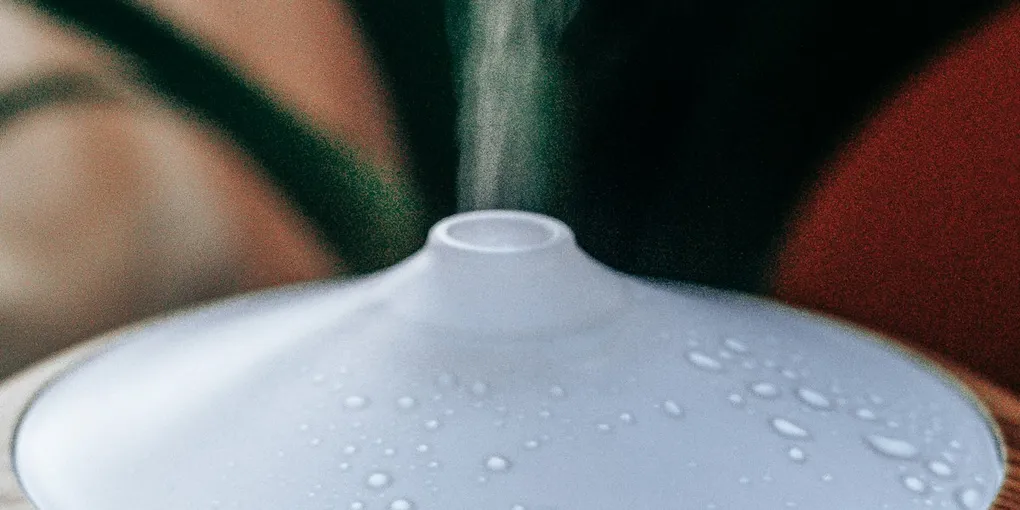
How to Choose a Humidifier for Houseplants
Once you’ve decided a humidifier is the right call for your plants — see how to increase humidity for houseplants if you haven’t ruled out the other options yet — the next problem is picking one and setting it up so it actually does something. There’s a real difference between a humidifier that quietly keeps a room at 50% and one that either does nothing noticeable or turns a corner of your house into a damp, moldy mess. Here’s what actually matters when you’re choosing and using one.
Cool-mist vs. warm-mist
Cool-mist humidifiers use ultrasonic vibration or a wicking filter to release room-temperature moisture into the air. Warm-mist units boil water and release steam, which sterilizes the water in the process but also means a hot surface and a plume of actual steam near your plants and pets.
For a plant room, cool-mist is the safer and more common default. It doesn’t add heat to a space that shouldn’t be warmer than it already is, it’s generally cheaper to run, and there’s no risk of hot steam hitting nearby leaves if a unit gets bumped or a plant is placed too close. Warm-mist units aren’t dangerous to plants specifically, but they don’t offer any real advantage for this use case, so there’s little reason to pick one over cool-mist unless you already own one.
Sizing it to the room
Humidifiers are rated by tank capacity and, loosely, by the square footage they’re built to cover — matching those numbers to your actual space is the difference between a humidifier that keeps up and one you’re refilling twice a day while the room barely budges.
- Small desktop units (roughly 0.5-1 liter tanks) suit a single shelf or a small cluster of pots in a bedroom or office. They need refilling often but are cheap and easy to tuck near a specific group of plants.
- Mid-size units (2-4 liters) cover an average bedroom or living room corner and are the right pick for most people with a dedicated plant shelf or a handful of humidity-sensitive plants grouped together.
- Whole-room console units (4+ liters, sometimes a gallon or more) are built for open living rooms or spaces with a lot of plants spread across the room rather than clustered in one spot. They cost more but need refilling far less often and can meaningfully shift the humidity of an entire room rather than just the air near the unit.
If you’re not sure which tier to pick, go a size up from what feels necessary. An undersized humidifier running constantly on its highest setting does less for your plants and wears out faster than a properly sized one running comfortably in the middle of its range.
Where to put it
Place the humidifier a few feet away from your plants rather than aimed directly at the leaves. Mist landing straight on foliage keeps the leaf surface wet for extended stretches, which creates exactly the damp conditions fungal issues like powdery mildew need to take hold — the same reason misting directly doesn’t actually raise sustained humidity but can still cause leaf problems. Let the mist disperse into the surrounding air and let that air do the work of raising humidity around the plant, rather than trying to hit the leaves directly.
A spot with some airflow, near but not underneath the plant cluster, and away from a heating vent or direct sun (both of which will just evaporate the humidity increase back out) works best.
What humidity level to aim for
Most houseplants are comfortable in the 40-60% relative humidity range, with tropical and fern-type plants sitting toward the higher end of that and succulents and cacti needing far less. Running a humidifier without a target just means guessing, and it’s easy to either undershoot (no real improvement) or run it so much that you’re inviting mold and mildew into a space that didn’t need to be that damp.
Use a hygrometer — don’t guess
A cheap digital hygrometer, often under the cost of a nice houseplant, tells you the actual relative humidity in the room instead of leaving you to infer it from how the plants look. Place it near the plants you’re trying to help, not right next to the humidifier’s output, so it reads the ambient air rather than the mist plume directly. Check it over a few days after setting up a new humidifier to see where the room is actually settling, and adjust the unit’s output or your watering schedule rather than assuming it’s working.
Maintenance: don’t skip this part
Humidifiers that sit full of standing water for days at a time are a mold risk in their own right, and hard tap water left to evaporate in the tank leaves behind the same kind of mineral buildup covered in hard water vs. soft water for houseplants — except here it also shows up as a fine white dust settling on nearby surfaces and leaves, not just crust on soil.
- Clean the tank regularly, at least weekly with regular use, with a diluted vinegar rinse or whatever the manufacturer recommends, to keep mold and mineral scale from building up inside.
- Use distilled or filtered water in the tank rather than straight tap water. This is the single best way to avoid the white mineral dust ultrasonic humidifiers are known for, and it also means less scale buildup inside the unit itself over time.
- Let it dry out between long stretches of use rather than leaving water sitting in the tank indefinitely, especially in a unit that isn’t running daily.
A well-chosen, well-placed, and well-maintained humidifier is one of the few plant-care purchases that keeps paying off with essentially no ongoing effort once it’s dialed in — check the hygrometer occasionally, refill the tank, and clean it on a schedule.