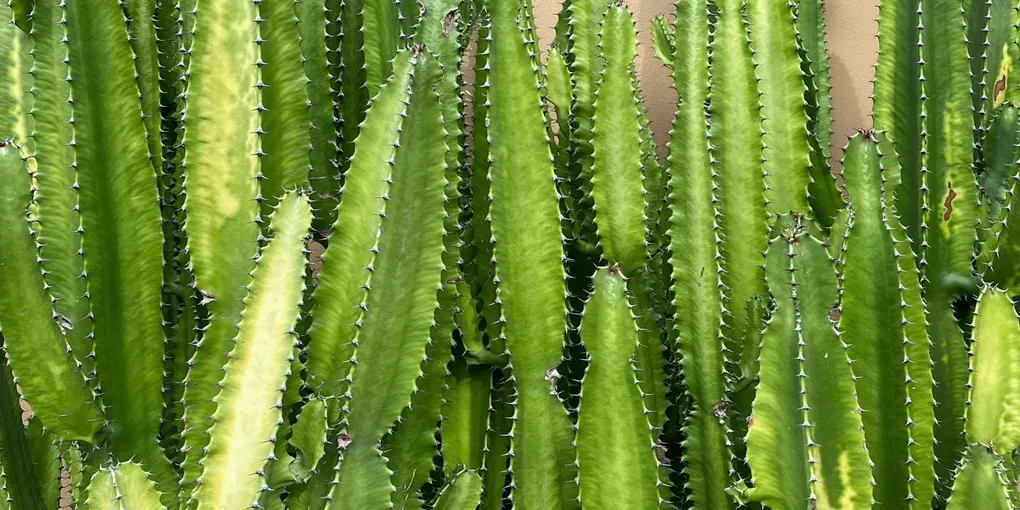
How to Care for a Fishbone Cactus
Fishbone cactus (Epiphyllum anguliger, also sold as ric rac cactus or zigzag cactus) doesn’t look or behave like the cactus its name suggests. Its flat, deeply notched stems zigzag back and forth in a pattern that really does resemble a fish skeleton, and unlike a desert cactus, it grows as an epiphyte in the wild — rooted in the crooks of tree branches in humid jungle canopy rather than in dry, sandy soil. That background changes almost everything about how you should care for it.
Light
Fishbone cactus wants bright, indirect light rather than the harsh direct sun a desert cactus thrives on. In its native habitat it grows in the dappled light under a tree canopy, and too much direct sun indoors will bleach or scorch its flat, ribbon-like stems. A spot a few feet back from a bright window, or a window with sheer curtain filtering the light, works well.
Watering
Water more like you would a tropical houseplant than a desert cactus: let the top inch or two of soil dry out, then water thoroughly. Fishbone cactus stores some moisture in its thick stems, so it tolerates a missed watering better than a plant like a fern would, but it doesn’t have the deep drought tolerance of an actual desert cactus and will shrivel if you go too long between waterings. It’s similar in this regard to another jungle-dwelling cactus relative, the Christmas cactus — both want more consistent moisture than their spiky desert cousins.
Soil and pot
Use a chunky, fast-draining mix rather than a standard dense potting soil. A blend built for epiphytes — potting mix cut with orchid bark and perlite — mimics the loose, airy material this plant’s roots would grip onto in the wild. See the best soil mix for houseplants for how to adjust the ratio toward the chunkier end. A pot with a drainage hole is essential, since standing water at the roots leads to rot quickly despite the plant’s cactus reputation for toughness.
Humidity
Average household humidity is usually fine, but this plant appreciates more if you can give it, especially in a dry winter. Consistently low humidity tends to show up as crispy, browning stem tips before anything more serious. See how to increase humidity for houseplants for easy ways to raise it. Its trailing, cascading growth habit also makes it a good fit for a hanging pot or elevated shelf — see best hanging and trailing houseplants for other plants that pair well with it in a similar display.
Toxicity
Fishbone cactus is considered non-toxic to cats and dogs, making it a reasonably safe choice for homes with curious pets, though it’s still a good idea to keep any plant out of reach of animals prone to chewing on foliage.
Common problems
Shriveled, limp stem segments are a sign of underwatering. A thorough soak should plump the stems back up within a day or two; if it doesn’t, check that water is actually reaching the roots rather than running around a dry, compacted root ball.
Soft, mushy, discolored stems, especially near the base, point to overwatering and possible rot. Let the soil dry out fully before watering again, and cut away any mushy tissue back to firm, healthy stem to keep rot from spreading.
Bleached or scorched patches on the stems mean the plant is getting more direct sun than it can handle. Move it a bit further from the window or add a sheer curtain to diffuse the light.
No flowers, even on an otherwise healthy, mature plant, is common and usually comes down to one of two things: not enough bright light during the growing season, or no proper winter rest. Fishbone cactus tends to bloom more reliably after a cooler, slightly drier winter period that mimics the seasonal shift it would experience outdoors — if your plant stays in the same warm, evenly watered conditions all year, it may simply never feel prompted to flower.