How to Keep Houseplants Alive While You're Away
How much prep your plants need depends almost entirely on how long you’re gone. A weekend trip and a three-week trip call for completely different plans — treating them the same is how plants end up either neglected or drowned.
Short trips (under a week)
Most houseplants don’t need any special prep for a trip this short. A plant that’s watered on a normal schedule will be fine sitting untouched for a few days.
- Move anything in harsh direct sun back from the window before you leave. Direct sun dries soil out faster than usual, and a plant that would normally get watered in a day or two won’t get checked on until you’re back.
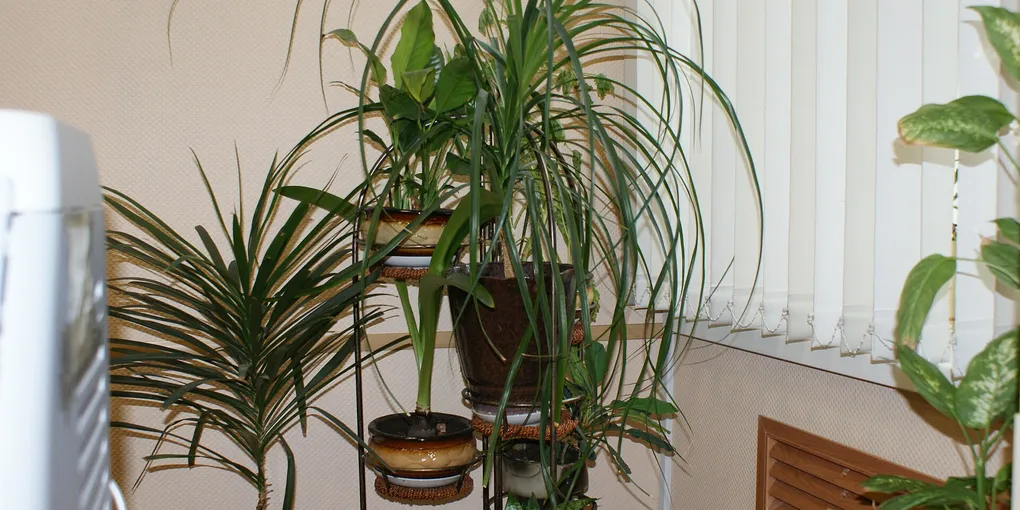
- Group plants together if you can. Clustering pots raises the humidity in that immediate area slightly and slows down how fast the soil dries out, compared to a single pot sitting alone in a dry room.
- Skip watering right before you go unless the soil is already dry. Watering on top of already-moist soil just because you’re leaving is unnecessary and can leave roots sitting wet the entire time you’re gone.
Medium trips (1 to 3 weeks)
This range is where plants actually need a system, since most soil dries out completely well before three weeks is up. A few options, roughly in order of effort:
- Self-watering globes or spikes. These glass or plastic bulbs fill with water and insert into the soil, releasing water slowly as the soil dries. They’re cheap, work per-pot, and need no setup beyond filling and inserting them a day before you leave.
- A DIY wicking system. Run a length of cotton string from a water reservoir (a jar or bucket set above or beside the pot) into the soil. Capillary action pulls water along the string into the pot gradually. It’s a bit more setup than a globe but works well for plants that drink more heavily.
- The bathtub method. Lay a towel in a shallow tub with an inch or two of water, and set your pots on top of it. The towel wicks water up into the pots from below. This is the best option if you have a lot of plants to cover at once, since it handles a whole group with one setup instead of rigging something per pot.
Whichever method you use, test it a day or two before you leave rather than trusting it blind — you want to see the soil staying evenly moist, not soaked, before you’re not around to check.
Longer trips (more than 3 weeks)
At this length, a passive system is asking a lot, even a good one. Two options work better:
- Ask a friend or neighbor to check in, ideally with a quick walkthrough beforehand of which plants need what. A once-a-week visit is usually enough for most plants if the pots are grouped in one accessible spot.
- Invest in self-watering pots ahead of time. Unlike globes or wicking setups, self-watering pots have a built-in reservoir sized for the plant and refill on a schedule of weeks rather than days, so they’re a real long-term solution rather than a workaround. Worth doing before a trip that’s actually planned in advance, not the night before.
The mistake to avoid
The single most common trip-prep mistake is overwatering right before you leave because it feels like insurance. It isn’t — a plant that’s already been watered normally has enough moisture to hold for a while, and dumping in extra “just in case” only saturates the soil right when nobody’s around to notice it’s too wet. That’s exactly the setup for root rot, and it’s much harder to catch and fix after the fact than a slightly dry plant is to revive.
If you use grow lights
If your plants normally rely on a grow light rather than natural light, put it on a timer before you leave instead of leaving it off entirely or running continuously. Plants still need a dark period to function normally, and a timer keeps their schedule consistent whether or not anyone’s home to flip the switch.
Match the method to the length of the trip, skip the pre-trip overwatering, and most houseplants will handle time away far better than people expect.